


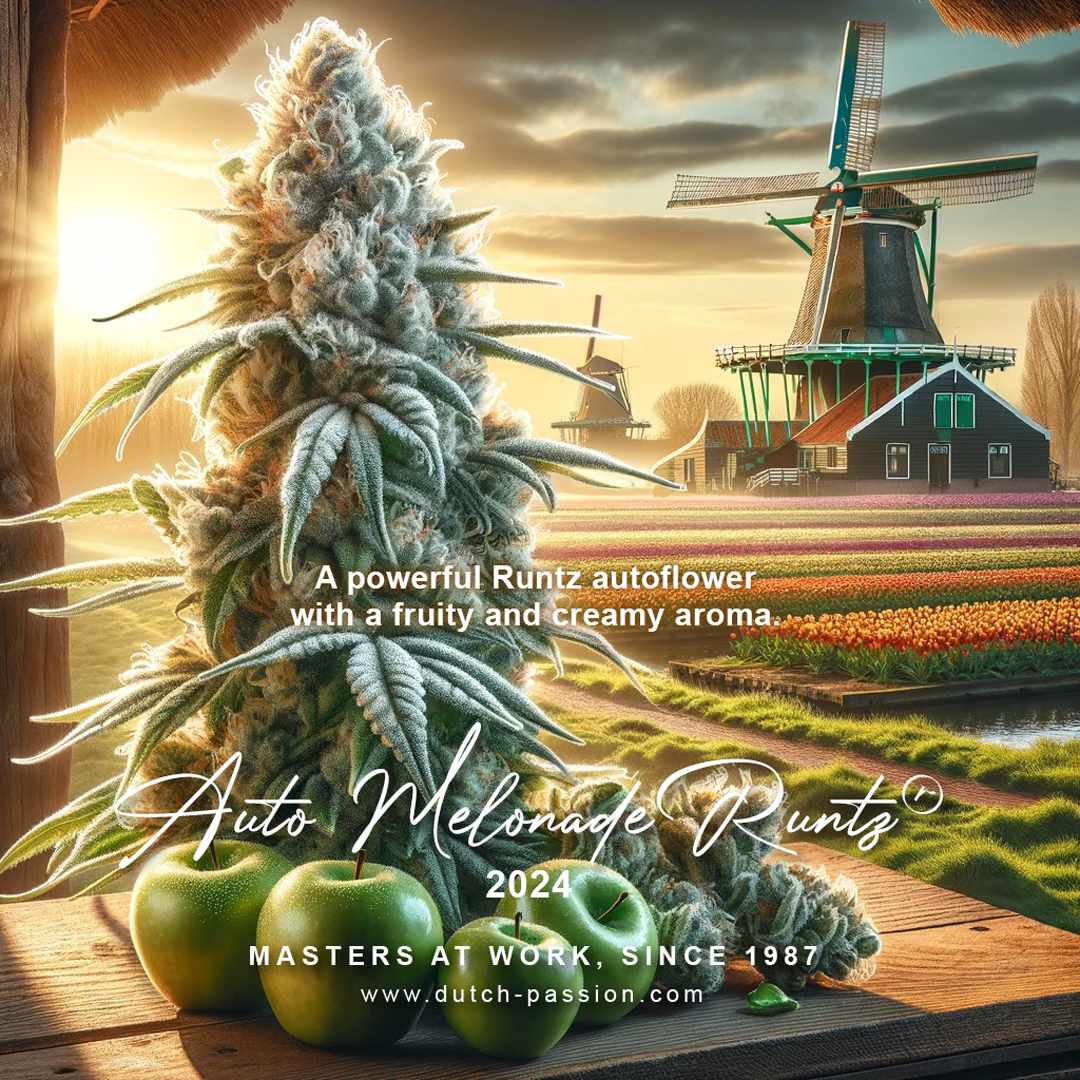
When growing cannabis, choosing the right fertilizer plays a crucial role in the growth and health of your plants. You can choose between organic and mineral fertilizers, each offering their own advantages and disadvantages. In this article, you'll learn which fertilizer type best suits your needs.
Organic fertilizer
Advantages:
- Natural ingredients : Organic fertilizers are made from natural materials such as compost, manure, bone meal, or algae extract. They are more environmentally friendly and conserve natural resources.
- Soil improvement : Organic fertilizers improve soil structure and promote microbial activity, leading to better water and nutrient uptake.
- Long-term effect : Organic nutrients are released slowly, ensuring a continuous supply to the plants.
- Lower risk of over-fertilization : Due to the slow release of nutrients, there is less risk of over-fertilizing the plants.
Disadvantages:
- Slow nutrient release : Nutrients are not immediately available to the plants, which can lead to delays in growth.
- Different nutrient composition : The composition can vary, which makes exact dosing difficult.
- Odor and handling : Some organic fertilizers can have an unpleasant odor and are more difficult to handle and store.
Mineral fertilizer
Advantages:
- Immediate nutrient availability : Mineral fertilizers provide immediately available nutrients that can be quickly absorbed by plants. This promotes rapid and strong growth.
- Precise dosage : The nutrient composition is precisely defined, which allows precise dosage and control.
- Easier handling : Mineral fertilizers are generally easier to store and apply. They are often available in convenient forms such as granules or liquid fertilizers.
Disadvantages:
- No soil improvement : Mineral fertilizers do not contribute to improving soil structure and do not promote microbial activity.
- Environmental impact : If used improperly, they can lead to soil and water pollution and harm the environment.
- Higher risk of over-fertilization : Because nutrients are readily available, there is a higher risk of over-fertilizing plants, which can lead to nutrient burn.
When should you use which fertilizer?
Organic fertilizer:
- Long-term soil care : If you value long-term soil improvement and sustainable cultivation, organic fertilizer is the right choice.
- Growth phase : Organic fertilizers are ideal for the vegetative phase as they ensure a continuous supply of nutrients.
Mineral fertilizer:
- Fast growth : If you want to achieve fast results, especially during the flowering phase, mineral fertilizer can be beneficial.
- Precise control : If you want to precisely control the nutrient supply, e.g. in hydroponic systems, mineral fertilizer is more suitable.

Conclusion
Choosing between organic and mineral fertilizers depends on your specific cannabis cultivation needs and goals. Both types of fertilizers have their advantages and disadvantages. Organic fertilizers promote soil health and provide a sustainable nutrient supply, while mineral fertilizers enable rapid growth and precise nutrient control.
Test both methods to find out which works best for you and your cannabis plants. Regardless of which fertilizer type you choose, make sure you use the correct dosage and keep your plants' needs in mind. Good luck with your grow!


